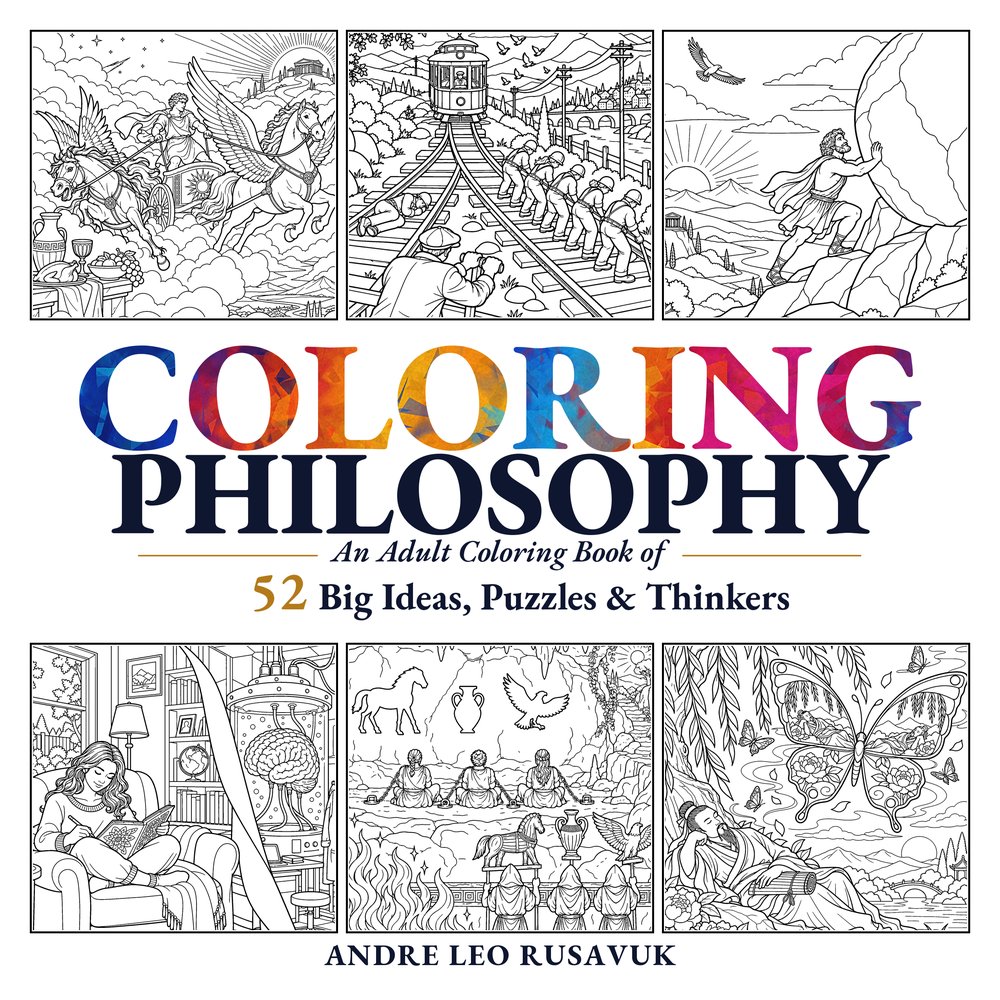
Cover of Coloring Philosophy: An Adult Coloring Book of 52 Big Ideas, Puzzles & Thinkers, by Andre Leo Rusavuk

An Adult Coloring Book

Coloring Philosophy

52 Big Ideas, Puzzles & Thinkers

Each entry introduces one great puzzle, thought experiment, or thinker in plain, playful language, then gives you a detailed illustration to color while the idea settles in. No background in philosophy is needed.

Paperback, $14.99  ·  Available November 24, 2026
222 pages  ·  8.5 × 8.5 in  ·  Prosvita Press

Want a reminder on launch day? Join the list.

If you could turn invisible, would you still be good?

If you replaced every plank of a ship, would it still be the same ship?

Would you plug into a machine that kept you blissfully happy forever?

Think Deeply. Color Slowly.


Philosophy asks the questions everyone wonders about: What is real? What is right? What makes a life worth living? Yet the books that tackle them often feel dense, technical, and hard to start. And while coloring is a wonderful way to slow down, most coloring books leave your mind with nothing to do once the pencils come out.

Coloring Philosophy brings the two together. By the last page, you will have met 52 of philosophy's great ideas from East and West and worked out what you think about each one.

The Big Questions make easy conversation starters at dinner, on road trips, or at your next book club. A thoughtful gift for students, teachers, book lovers, puzzle fans, and anyone who has ever lain awake wondering about life's biggest questions.

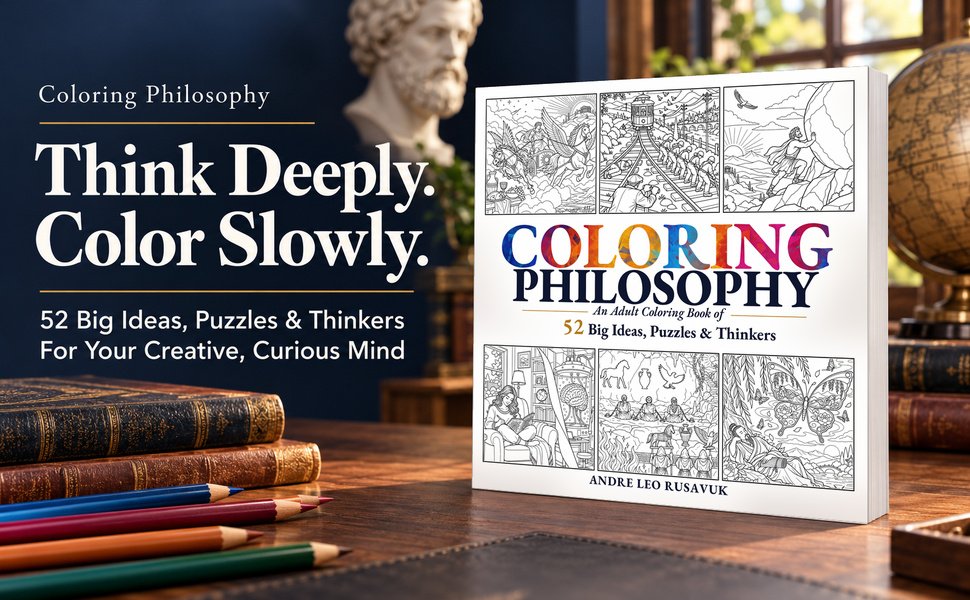
Coloring Philosophy on a desk with colored pencils, beside a bust of a Greek philosopher

One Idea, Three Ways to Explore


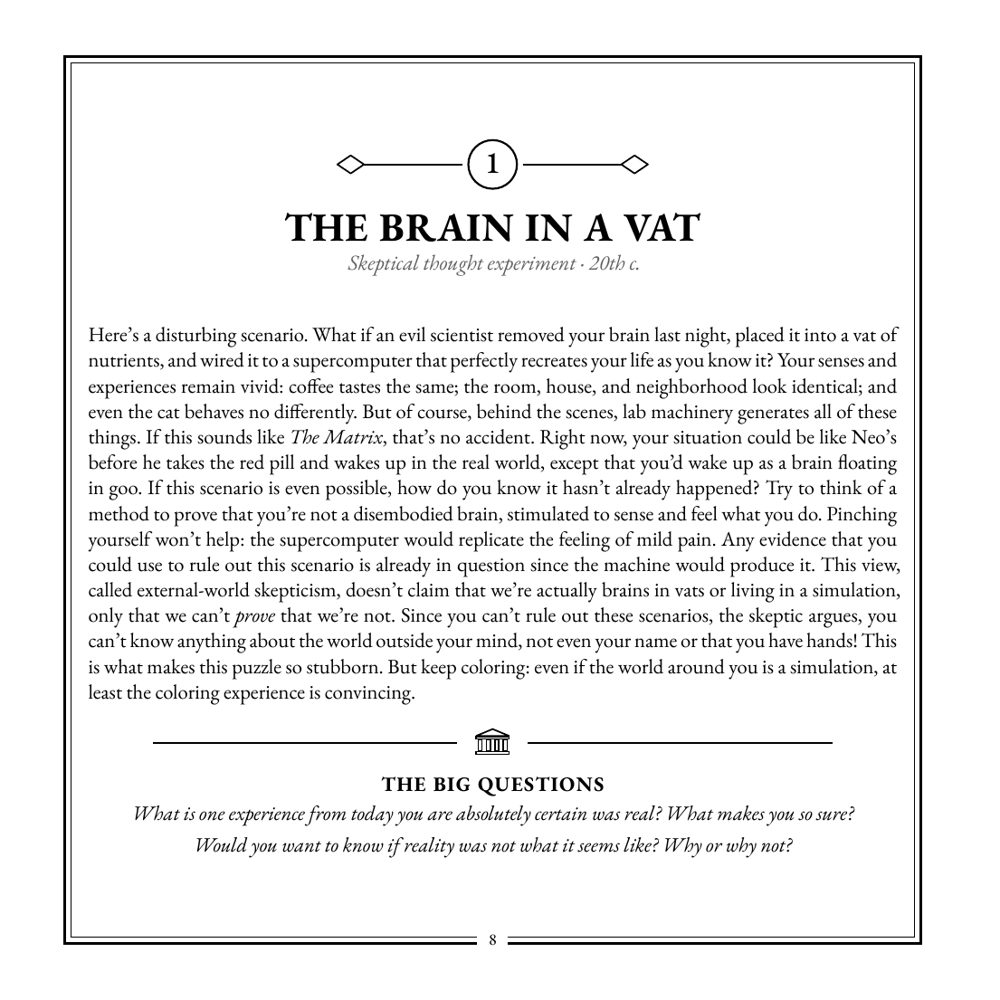
Sample entry page: The Brain in a Vat, with two Big Questions
01

Read

A short, lively entry and two Big Questions to think over.

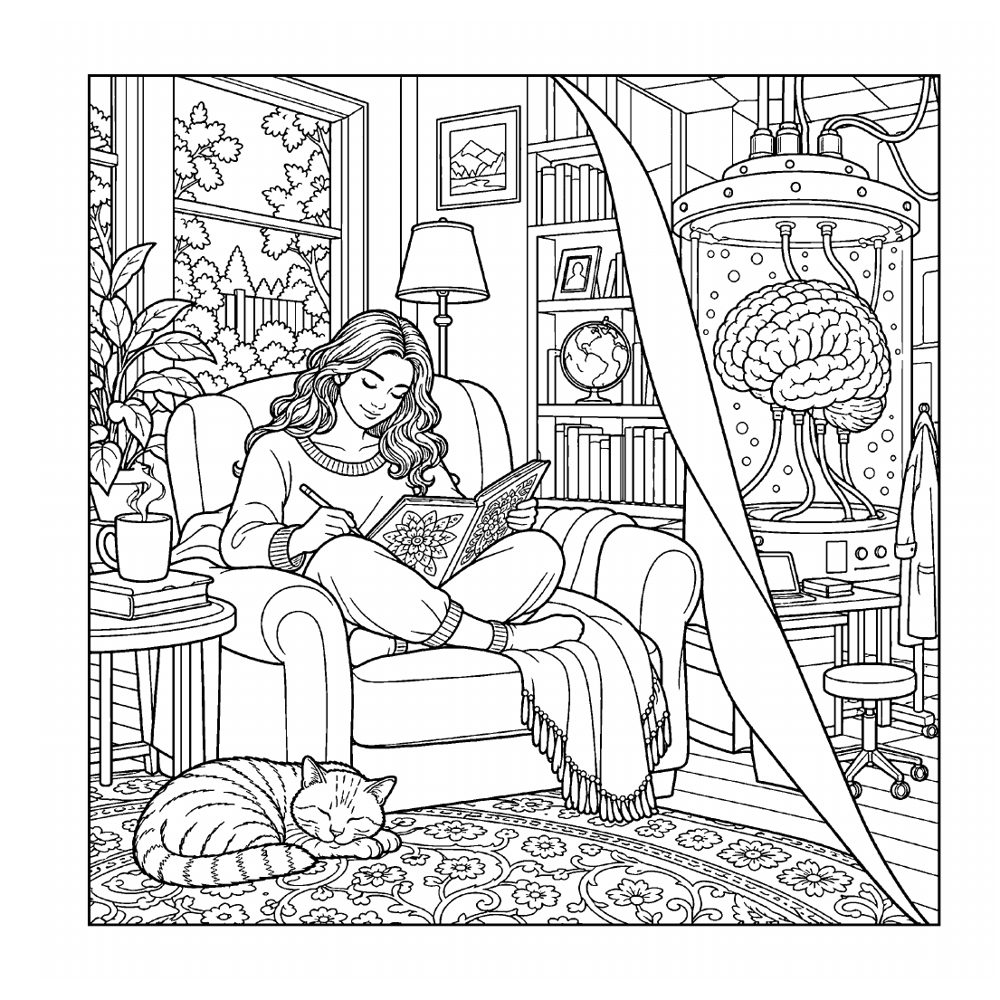
Line-art illustration for The Brain in a Vat: a woman coloring in an armchair beside a brain in a jar
02

Color

A detailed illustration, printed on one side of the page only.

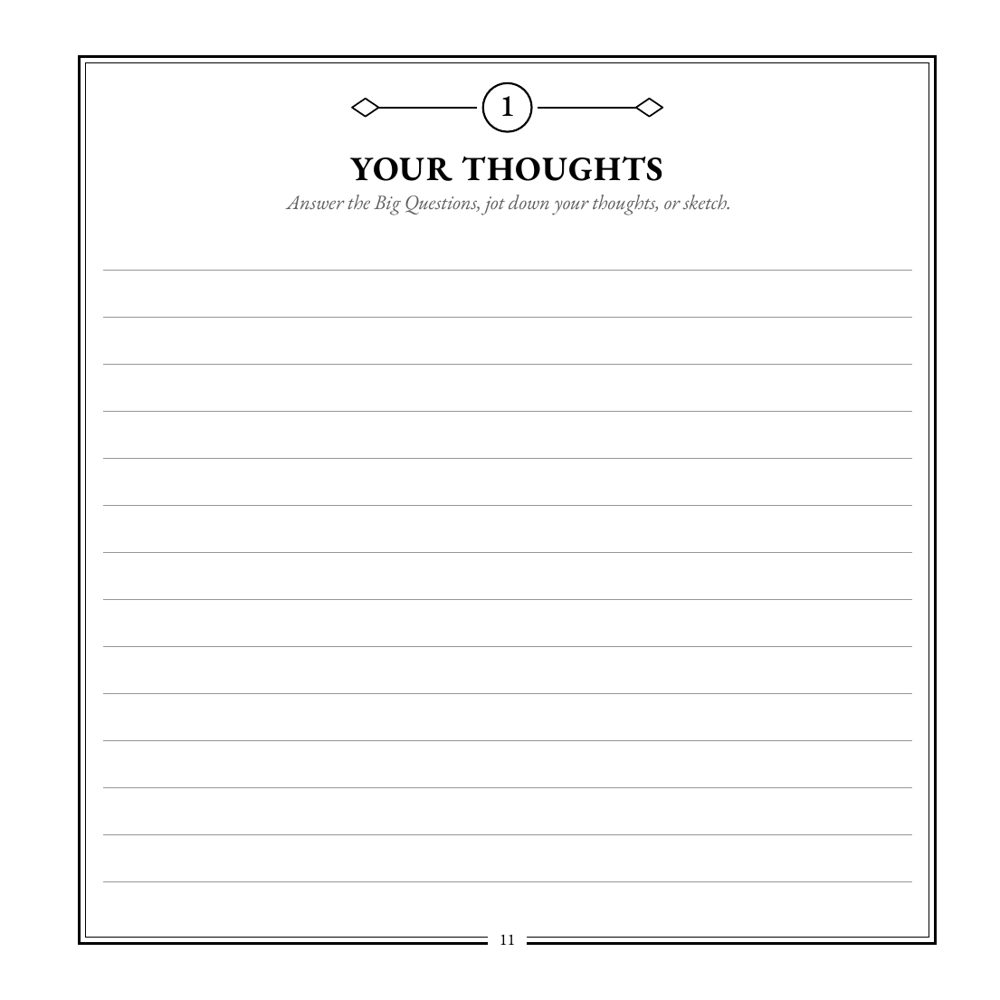
A lined Your Thoughts page for notes
03

Reflect

A lined "Your Thoughts" page to answer, take notes, or sketch.

Read a Sample Entry


1

The Brain in a Vat

Skeptical thought experiment · 20th c.

Here’s a disturbing scenario. What if an evil scientist removed your brain last night, placed it into a vat of nutrients, and wired it to a supercomputer that perfectly recreates your life as you know it? Your senses and experiences remain vivid: coffee tastes the same; the room, house, and neighborhood look identical; and even the cat behaves no differently. But of course, behind the scenes, lab machinery generates all of these things. If this sounds like The Matrix, that’s no accident. Right now, your situation could be like Neo’s before he takes the red pill and wakes up in the real world, except that you’d wake up as a brain floating in goo. If this scenario is even possible, how do you know it hasn’t already happened?

Try to think of a method to prove that you’re not a disembodied brain, stimulated to sense and feel what you do. Pinching yourself won’t help: the supercomputer would replicate the feeling of mild pain. Any evidence that you could use to rule out this scenario is already in question since the machine would produce it. This view, called external-world skepticism, doesn’t claim that we’re actually brains in vats or living in a simulation, only that we can’t prove that we’re not. Since you can’t rule out these scenarios, the skeptic argues, you can’t know anything about the world outside your mind, not even your name or that you have hands! This is what makes this puzzle so stubborn. But keep coloring: even if the world around you is a simulation, at least the coloring experience is convincing.

The Big Questions

What is one experience from today you are absolutely certain was real? What makes you so sure?

Would you want to know if reality was not what it seems like? Why or why not?
One of 52 entries. Every entry ends with two Big Questions, then a picture to color.

Sample Pages


Tap any page to enlarge. Pages are shown at web size; the printed book has crisp, full-size line art.

A Closer Look


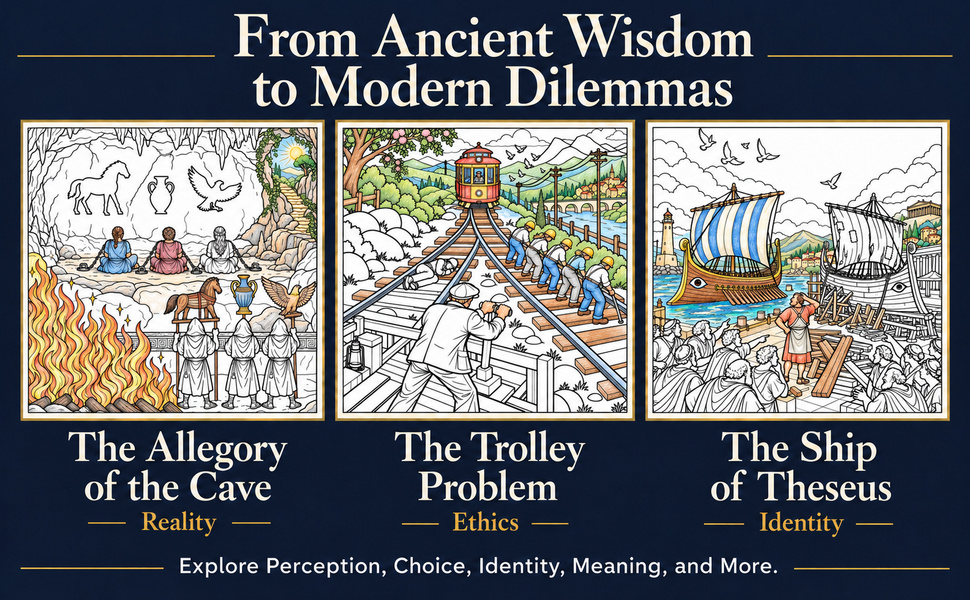
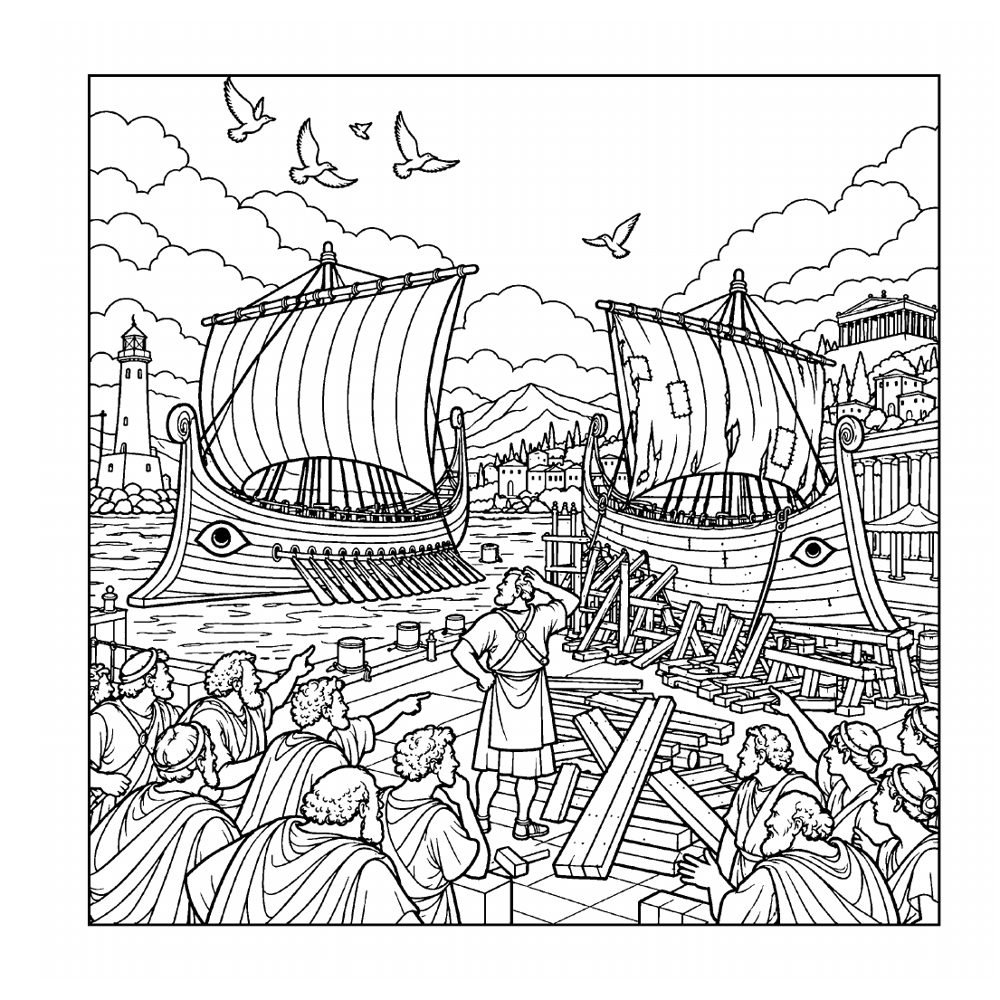
From ancient wisdom to modern dilemmas: the Allegory of the Cave, the Trolley Problem, and the Ship of Theseus
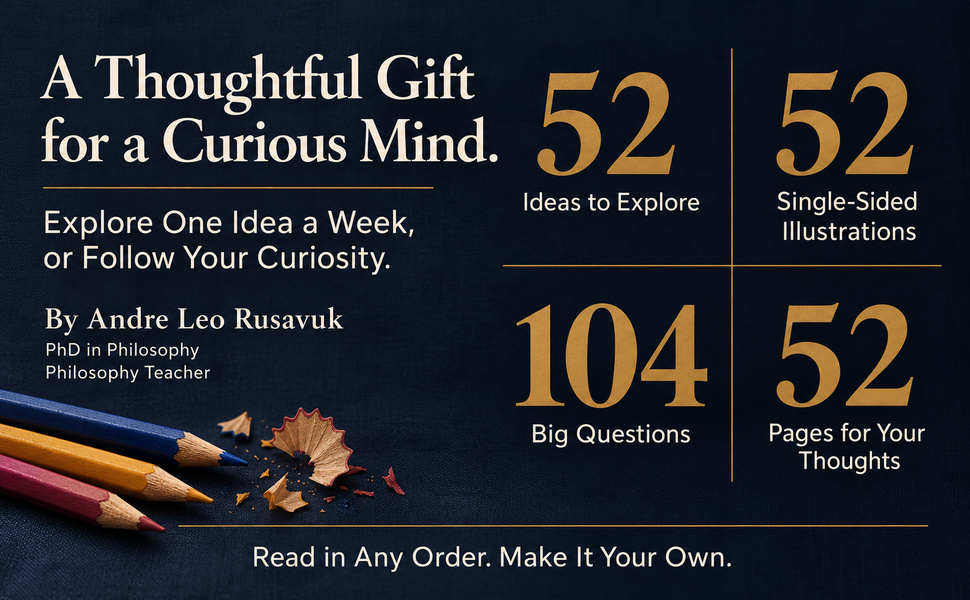
A thoughtful gift for a curious mind: 52 ideas, 52 illustrations, 104 Big Questions, and 52 pages for your thoughts

What's Inside


52Ideas to Explore
52Single-Sided Illustrations
104Big Questions
52Pages for Your Thoughts

All 52 Ideas


  1. The Brain in a Vat
  2. The Trolley Problem
  3. The Footbridge
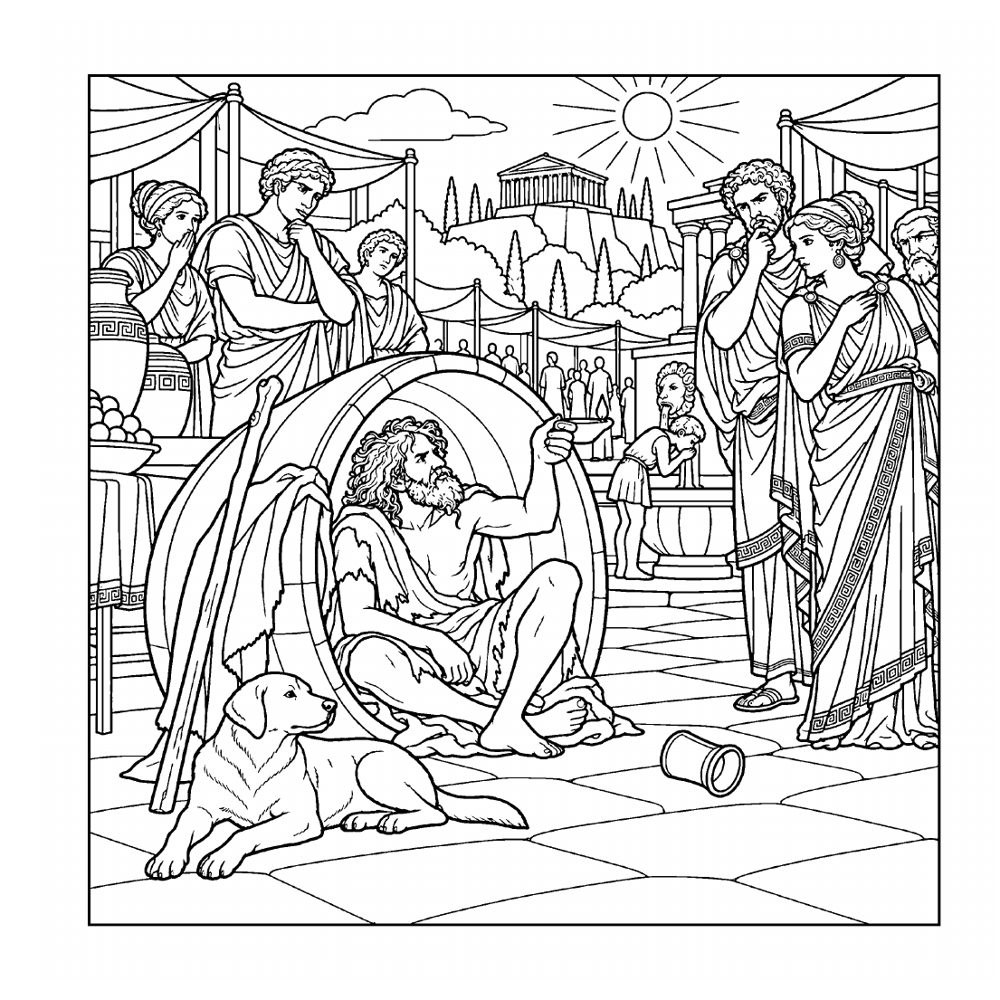
  4. Diogenes the Cynic
  5. The Allegory of the Cave
  6. The Experience Machine
  7. The Blind Men and the Elephant
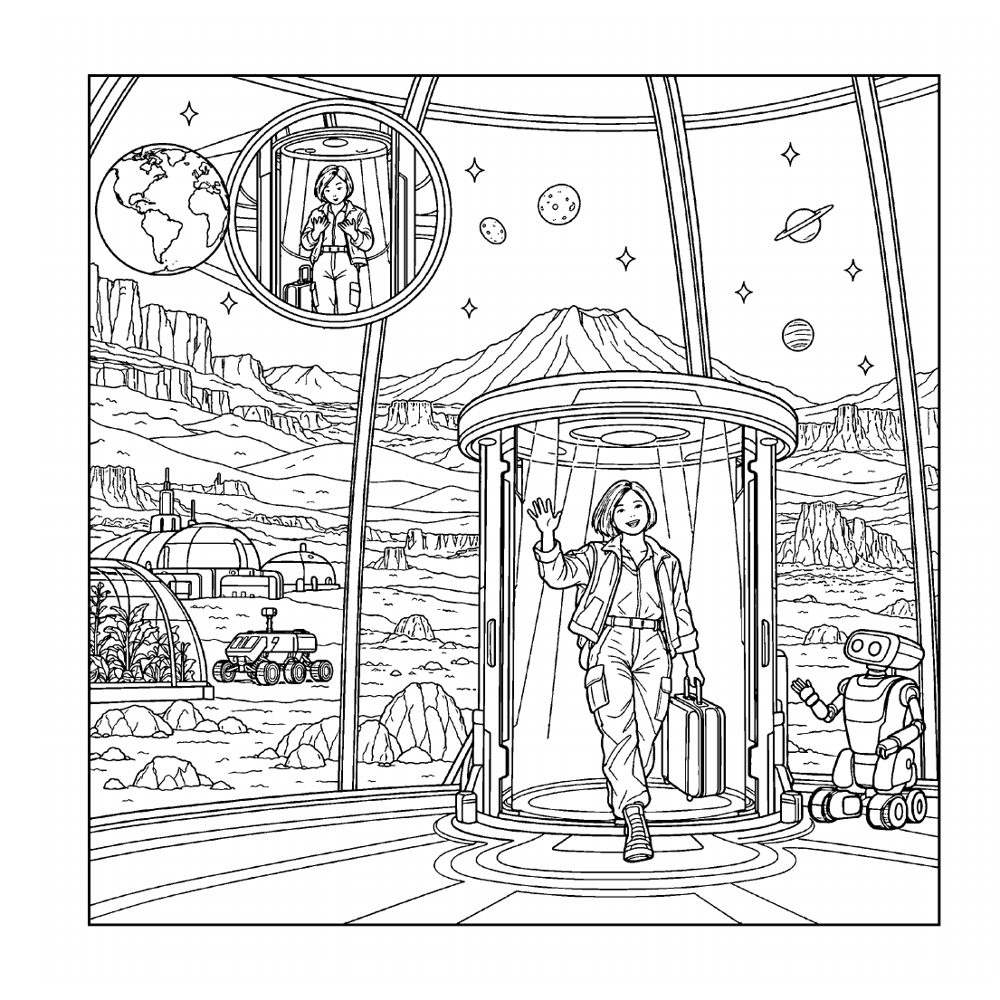
  8. The Teleporter
  9. The Dichotomy of Control
  10. The Chinese Room
  11. The Grandfather Paradox
  12. Can Animals Suffer?
  13. The Ship of Theseus
  14. The Death of Socrates
  15. Memento Mori: Remember Death
  16. The Drowning Child
  17. The Ring of Gyges
  18. The Absurd Life of Sisyphus
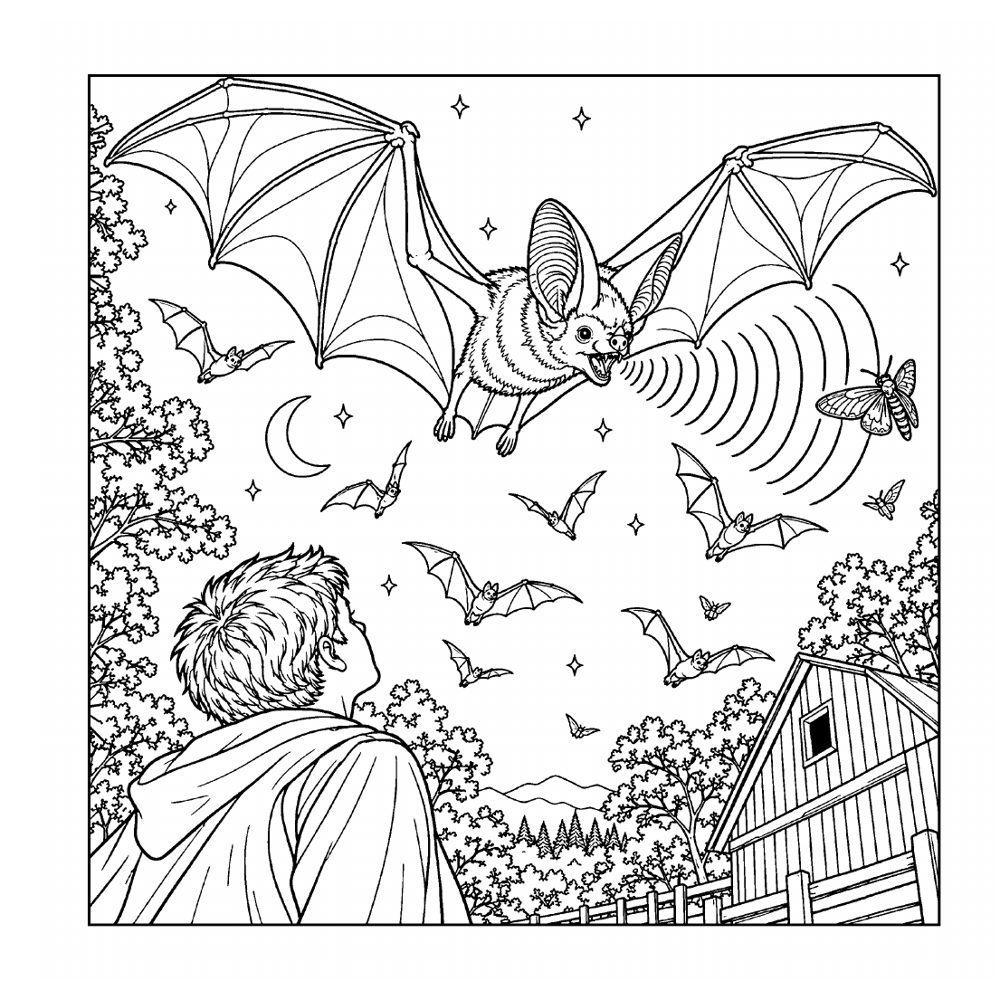
  19. What Is It Like to Be a Bat?
  20. The Chariot of the Soul
  21. The Murderer at the Door
  22. Friendship and Happiness
  23. Zhuangzi's Butterfly Dream
  24. Achilles and the Tortoise
  25. The Evil Demon and the Cogito
  26. Aristotle's Four Causes
  27. The Blank Slate
  28. The State of Nature
  29. Augustine and the Pear Tree
  30. Mary's Room
  31. The Fox and the Lion
  32. Confucius and the Golden Rule
  33. The Veil of Ignorance
  34. The Wheel of Fortune
  35. Atoms and the Void
  36. The Golden Mean
  37. Pascal's Wager
  38. The Übermensch
  39. Fatalism: The Book of Your Life
  40. Every Possible World: Modal Realism
  41. The Ideal City
  42. Everything Is Water
  43. The Fine-Tuning Argument
  44. The Social Contract
  45. The Best of All Possible Worlds
  46. Mind and Body: Substance Dualism
  47. Aquinas and the First Mover
  48. Free Will: The Garden of Forking Paths
  49. The World in God's Mind
  50. The Problem of Induction
  51. The Problem of Evil
  52. The Free Will Defense

Praise for Coloring Philosophy


“Who knew that philosophy could be so colorful? So vivid? So fun? This book makes the Big Questions come alive. Highly recommended for anyone interested in the great issues of human life. That is: everyone.”

John Martin FischerDistinguished Professor of Philosophy, University of California, Riverside

“At last, a book that proves the big picture of philosophy really is a picture! A delightful, accessible guide to the joy of philosophical exploration.”

Yujin NagasawaProfessor and Kingfisher College Chair of the Philosophy of Religion and Ethics, University of Oklahoma

“Who says philosophy has to be opaque? Coloring Philosophy invites you to explore big questions with color, and to draw your own conclusions.”

Joshua RasmussenProfessor of Philosophy, Baylor University

“Aristotle famously said that philosophy begins with wonder, but he might have also said that philosophy goes best with coloring pages! Coloring Philosophy presents some of the most interesting and important thought experiments and philosophical questions from the history of philosophy, along with illustrations to color while you think through the issues—ideally with friends!”

Nathan NobisProfessor of Philosophy, Morehouse College

“Dre Rusavuk has come upon a creative way to get people thinking about philosophy and acquainted with important thought experiments. . . . Also good for stressed academics who need a break!”

Dan DemetriouProfessor of Philosophy, Washington Center for Civics, Culture, and Statesmanship, West Virginia University

“Coloring Philosophy is a coloring book, of course, but it is much more. The big ideas of philosophy are meant to be thought about deeply, meditated on, and mulled over. Rusavuk’s coloring book encourages you to do just that: as you color, reflect on the philosophical idea, then jot down your thoughts on the lines provided.”

Portrait of author Andre Leo Rusavuk

Meet the Author

Andre Leo Rusavuk


Andre Leo Rusavuk is an American-Ukrainian philosopher with a PhD in Philosophy from the University of Birmingham (UK). He teaches high school philosophy at a private classical education institution. Besides rooting for the Seahawks and playing chess, he loves nothing more than spending time with his wife, Anna, and their five children, Josiah, Evia, Caroline, Jamie, and Yanna.

He wrote every entry in this book to make big ideas clear, lively, and ready for discussion.

Read his academic papers on PhilPeople
More about Andre
Questions or suggestions? contact.prosvitapress@gmail.com

Get Launch News


Be the first to know when Coloring Philosophy is available, plus the occasional Big Question to think about. No spam, and you can unsubscribe anytime.

I’ll only use your email to send news about my books and upcoming projects.

Begin with a Question


Paperback, $14.99. Available November 24, 2026.